

Industry Trends Report
Spring 2026 Update
Since our last Industry Trends Report, Sellen has been busy evolving the way we lead our work. As part of our continued growth, we recently announced four new Project Executives who are serving as strategic partners and trusted advisors to clients, ensuring we remain aligned, forward-thinking, and laser focused on delivering exceptional value.
We’re excited to introduce the Project Executives here, since you’ll likely see them on your next Sellen project:

Shanna Dennis
Project Executive, SVP
Shanna is a seasoned healthcare leader and will continue to lead Sellen’s healthcare projects and accounts, delivering exceptional outcomes for clients.

Travis Harth
Project Executive, VP
Travis has served as Senior Director of Special Projects and will continue to lead and scale Sellen’s tenant improvement business, expanding the team’s ability to meet a wide range of client needs.

Peter Richardson
Project Executive, VP
Peter has delivered some of Sellen’s largest and most complex corporate and civic projects and will now also serve clients in K-12 education and the public sector.

Nick Weymouth
Project Executive, SVP
Nick has led some of Sellen’s most complex and high-profile corporate projects and will continue to serve clients across corporate campus, high-rise office, and other key markets.
Each of our Project Executives brings dedicated focus to their respective markets and clients. The goal is sharper client relationships and smarter project delivery plans, with clear ownership at every level. For our teams in the field, day-to-day work remains largely unchanged. What does change is the clarity behind it: every project has a defined leader, every client has a consistent point of contact, and every commitment is owned from kickoff through completion.
This edition of Sellen’s Industry Trends Report also offers a glimpse at what we’re hearing and seeing from our subcontractors regarding tariff impacts, cost escalation, and labor updates. Keep scrolling for a healthcare market update from Shanna Dennis.
We hope you come away with meaningful insights to inform your next project. Please reach out with questions and thoughts on how we can build something great together.

Featured Updates
Market Conditions
Intel regarding tariffs & cost escalation.
Labor Updates
Upcoming labor negotiations and potential disruptions.
Healthcare Snapshot
Considerations for healthcare projects and how Sellen can help.
Market Conditions
The market is experiencing elevated pricing volatility driven by tariffs on raw materials, global supply constraints, and concentrated demand from data center and infrastructure projects. Clients should anticipate escalation across most trades and plan for earlier procurement, shorter price-lock windows, and extended lead times on key materials.
Overall Outlook:
VOLATILETariffs & global macros driving pressure
Key Watch Items:
ROOFING+6–12% increases; 30-day price locks only
Steel~$40/ton every 5–6 weeks; data center demand
Stable Categories:
Glass / AluminumHighly competitive; no increases noted
Trade-by-Trade Outlook*
Roofing
High Risk6–12% increases already in effect; supplier price-locks limited to 30-days. Another 4–6% increase expected in Q3 driven by oil constraints and Middle East conflict. Early material procurement & warehousing strongly advised. Local 54 CBA under negotiation, labor increase TBD.
Structural Steel
Rising~$225/ton in mill increases since Sept 2025; national data center and stadium demand absorbing national capacity, leading to extended lead times from NTP. Release fabricators early to lock in cost and schedule. ~$40/ton increases expected every 5–6 weeks.
Metal Studs
Rising10–12% increase since February. Pressure expected to continue through Q2–Q3. Potential relief late Q3/Q4 if fuel costs ease. Temporary fuel surcharges are in place from most manufacturers.
Electrical
RisingCopper wire up over 20% year over year due to national data center demand. Conduit up ~2–4%. Aluminum wire down ~10% — favorable where substitution is viable. Commodity pricing remains highly volatile with global macro uncertainty.
Insulation
ModerateSteady 6–8% increases anticipated twice yearly (Feb & Aug). Supply currently adequate but historically prone to sudden shortages and allocations to mega projects. Any demand uptick will pressure both price and availability.
Mechanical & Plumbing
ModerateHVAC materials down 8%; plumbing materials down 6% — short-term softening expected to rebound. Fixtures reset +27% in Q1. Labor CBAs locked in at 2–2.5% mid-year increases across HVAC and plumbing trades.
Drywall
StablePricing is flat and expected to remain so through 2026. A recent mfr price increase letter was quickly pulled back — market too soft to support increases. Demand uptick in mid-2027 could be a turning point.
Window Systems
StableHighly competitive market for both aluminum and glass — minimal price increases observed. Despite stability, aluminum and glass production remain vulnerable to energy cost surcharges. No changes anticipated in near term.
Recommendations for Clients
Procure Early
Mitigate price volatility and escalation risk through early procurement when possible.

Escalation Allowances
Collaborate with your GC to develop informed escalation allowances commensurate with price volatility & escalation risk at the bid package level—get more granular than a bottom line escalation percentage.

Reprice at Milestones
Collaborate with your GC to identify high price-risk bid packages where monthly market check-ins are appropriate to monitor and manage risk.

*These insights are based on direct trade partner intelligence gathered April–May 2026. Subject to change as market conditions evolve.
Labor Updates
Union labor contract negotiations remain mostly off-cycle in 2026, with only roofing and bricklaying contracts being renegotiated this spring. The following key factors will play into 2027 & 2028 negotiations in terms of labor and management negotiation posture, risk of work stoppage, and potential increase in total package cost:
Inflation & Interest Rates

International Trade & Supply Chain Conditions

Regional & National Politics

Regional labor Demands in Other Sectors Such as Transportation, Industrial, and Data Center Projects

Puget Sound Region’s Continued Economic Recovery

Increased Return to Office

New Project Starts

2027 Labor Contract Negotiations:
Lathers & Sheetrockers
Plasterers & Fireproofers
Laborers
Operating Engineers
Teamsters
Sand & Gravel Teamsters
Electricians
Tile Setters
Carpet Layers
Elevator Workers
2028 Labor Contract Negotiations:
Cement Masons
Ironworkers
Carpenters / Piledrivers
Glazers
Painters
Sheet Metal Workers
Communication Workers
Healthcare Snapshot
Shanna Dennis, Project Executive of Sellen’s Healthcare team, shares three healthcare trends and how we can help clients navigate the evolving landscape.

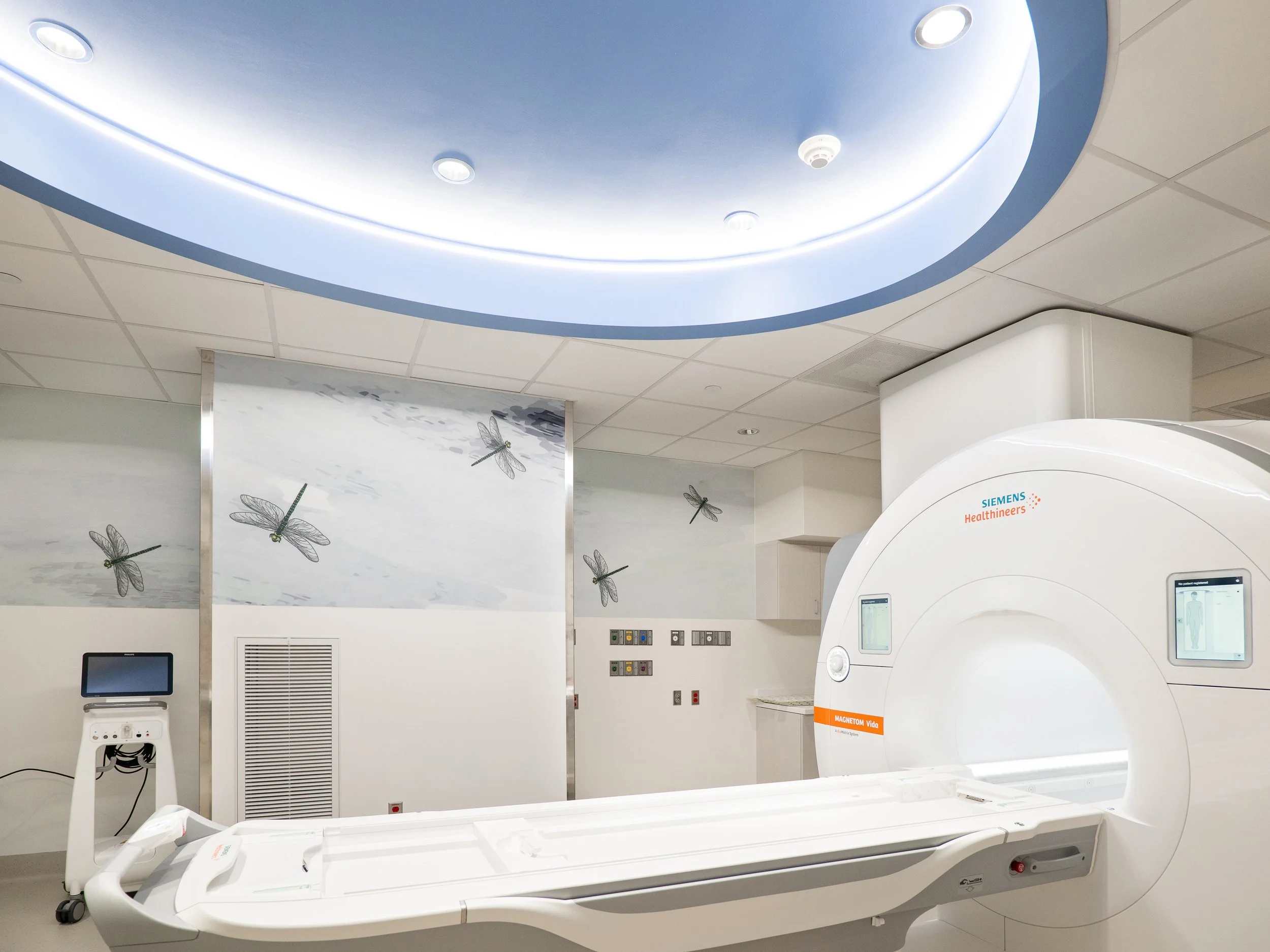
Advanced Imaging Infrastructure Upgrades
Healthcare systems across the Pacific Northwest are actively investing in next-generation imaging technology, including MRI, X-ray, ultrasound, and other advanced modalities. These upgrades carry significant facility implications.
-
Imaging suites require specialized structural, mechanical, and electrical infrastructure (shielding, vibration isolation, power capacity, cooling loads).
Phased planning is critical to keep existing services operational during upgrades.
Early coordination between equipment vendors and the design-build team is essential to avoid costly late-stage changes.
-
We bring deep experience sequencing imaging suite renovations and/or equipment installation in active healthcare environments—minimizing downtime and keeping patients and staff safe.
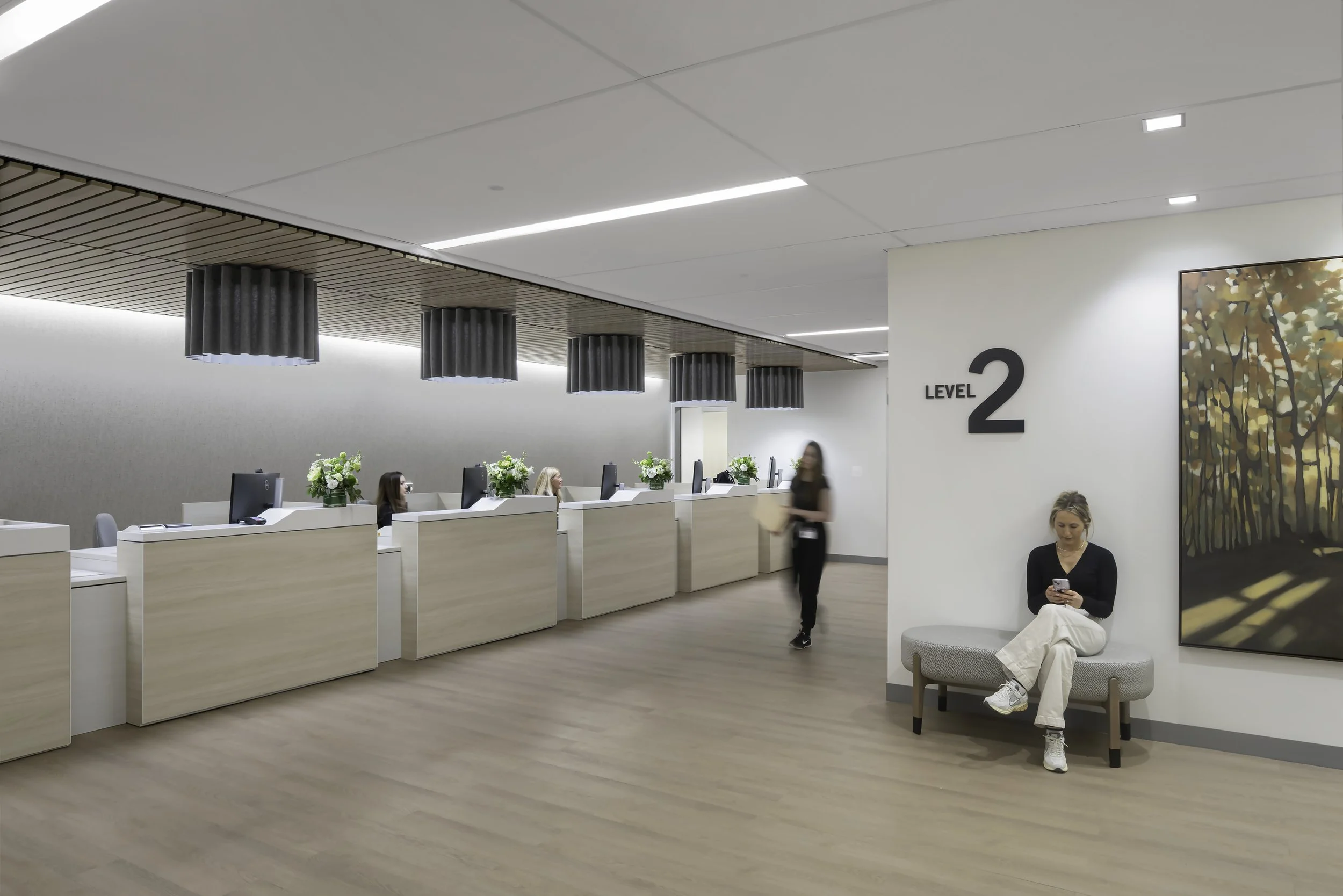
Shift of Services to Community-Based & Outpatient Settings
The continued migration of non-critical, elective, and outpatient services off hospital campuses represents one of the most significant capital planning trends in the region.
-
New or repositioned facilities in neighborhood and suburban markets require thoughtful site selection, right-sizing, and community integration.
Design must balance patient convenience and brand consistency with operational efficiency.
Opportunities exist to explore modular, scalable, or adaptive-reuse facility solutions.
-
We can support master planning efforts, feasibility assessments, preconstruction planning, and delivery of community clinic and ambulatory care facilities that align with your long-term growth strategy.
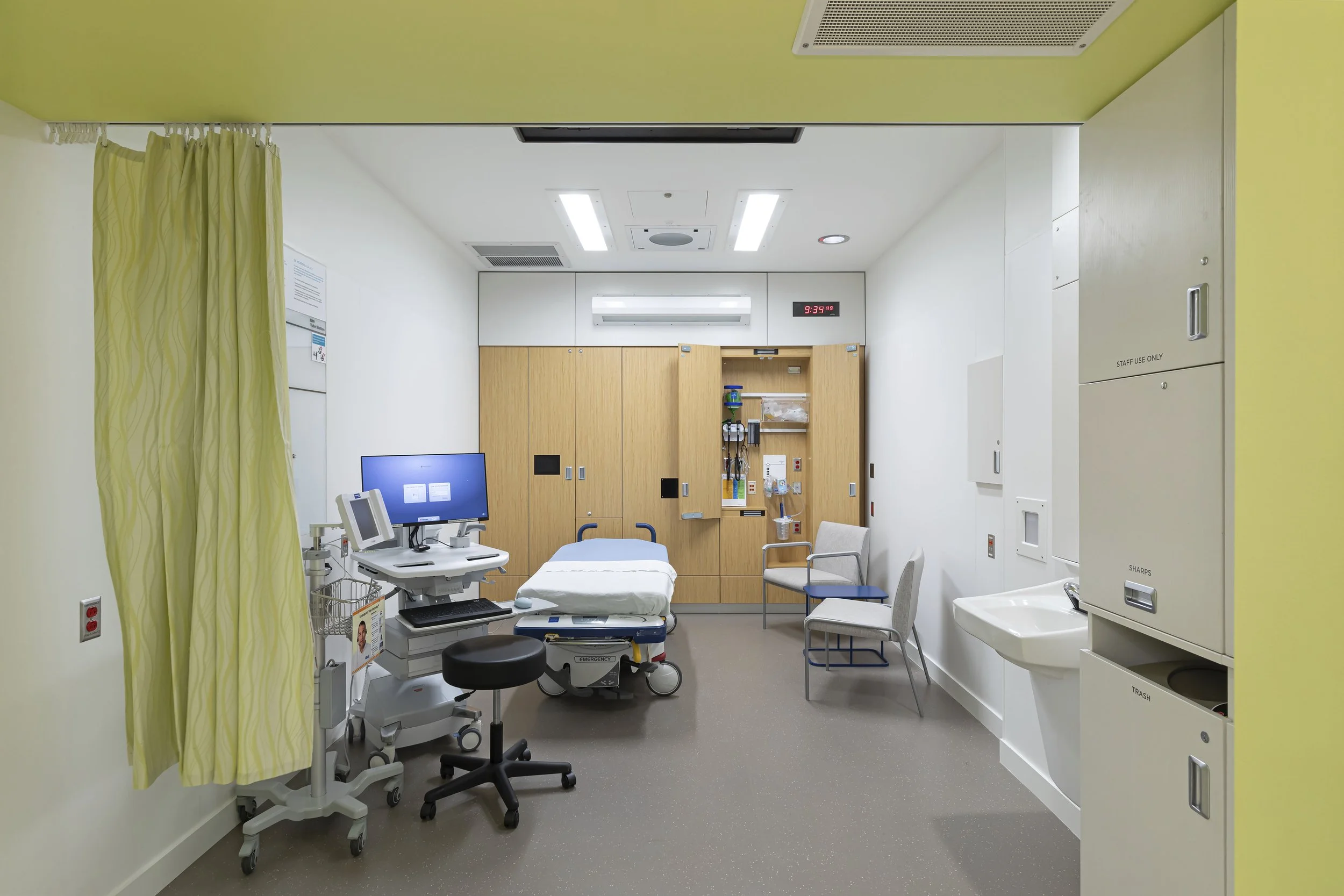
Mental Health Facilities & Embedded Behavioral Health Spaces
Demand for behavioral health services continues to grow, supported locally by Washington State's Crisis Center funding. Clients are pursuing solutions ranging from dedicated standalone facilities to enhanced behavioral health integration within existing care settings.
-
Dedicated behavioral health facilities require trauma-informed design principles—ligature resistance, sensory considerations, security, and patient dignity.
Embedding behavioral health capabilities in existing spaces (EDs, primary care, etc.) requires careful renovation planning within operational environments.
Washington's Crisis Center investment signals continued state-level funding and political support for this building type.
-
We have experience delivering integrated behavioral health spaces and an understanding of the unique safety, regulatory, and design standards these specialized spaces demand.

Partner with us!

Adam Lorenz
Chief Estimator, SVP
AdamL@sellen.com

Erin Hobson
Chief Strategy Officer
ErinH@sellen.com
Peter Richardson
Project Executive, VP
PeterR@sellen.com
Shanna Dennis
Project Executive, SVP
ShannaD@sellen.com
Nick Weymouth
Project Executive, SVP
NickW@sellen.com

Travis Harth
Project Executive, VP TravisH@sellen.com